
A Commonly Overlooked Issue in New Zealand Housing: Durability
When people talk about building quality in New Zealand, most discussions focus on design, cost, or construction speed. However, one important factor is often overlooked: durability.
Durability is not just about whether a building looks good when it is completed. It is about whether the building can continue to perform well 10, 20, or even 50 years later.
In recent years, many homeowners have complained that relatively new houses begin to show problems only a few years after completion. These issues can include:
- leaking windows and cladding systems
- internal gutter failures
- premature corrosion of fixings
- cracking claddings and paint failure
Why does this happen?
In many cases, the problem is not a single defect but rather a combination of cost pressure and construction shortcuts.
During slow market periods, some developers and contractors try to minimise costs wherever possible. Labour costs are reduced, material selections become more price-driven, and construction supervision may be less rigorous.
For example, using incorrect fixings, insufficient flashing gaps, or poorly installed cavity systems may not immediately cause problems. However, over time, moisture and weather exposure can turn small details into serious durability issues.
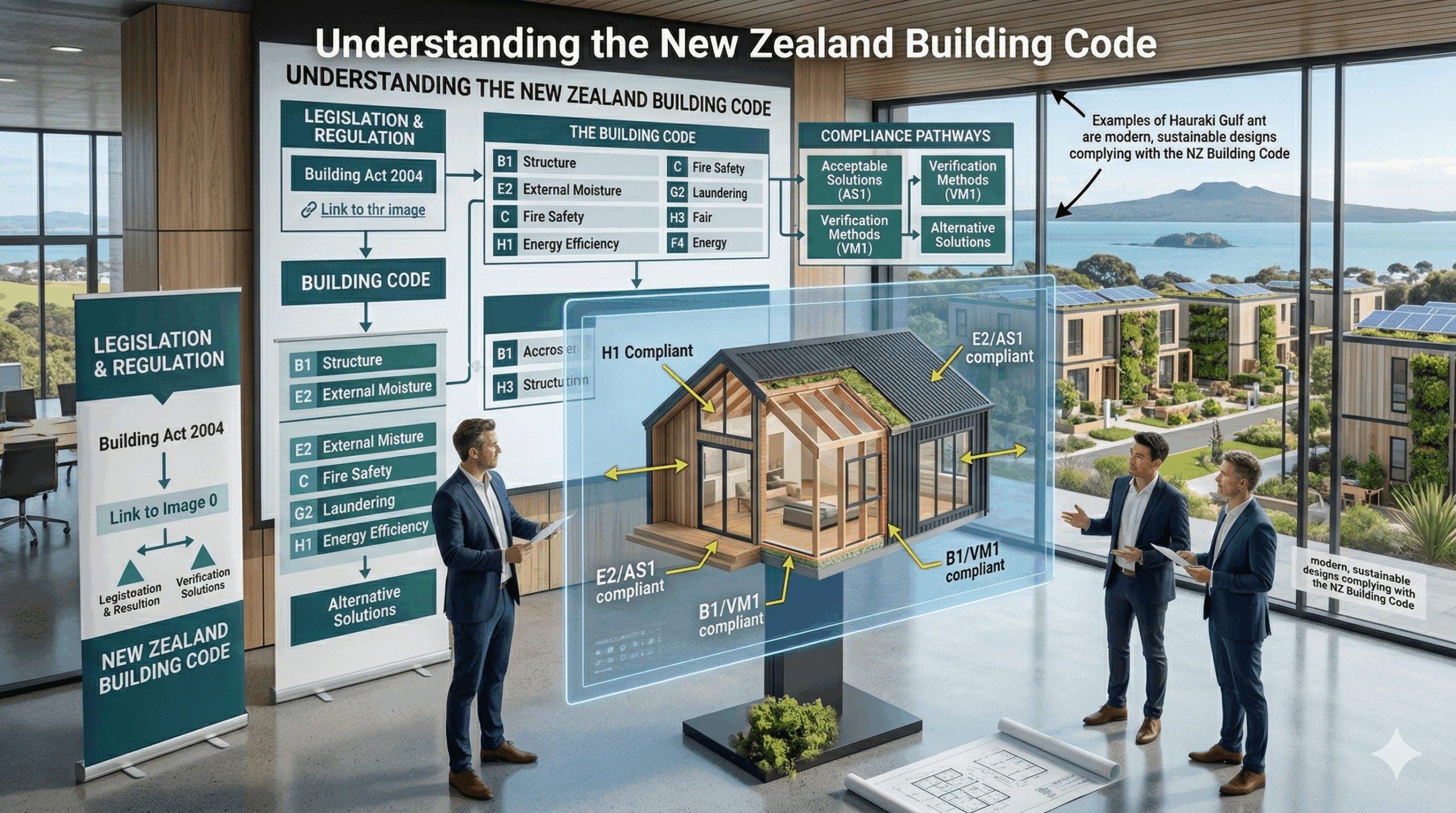
New Zealand’s Building Code requires certain durability periods, but meeting the minimum requirement should not be the ultimate goal.
Good construction should aim for long-term performance, not just compliance.
Durability is not expensive when it is built correctly the first time.
But repairing durability failures later can be extremely costly.